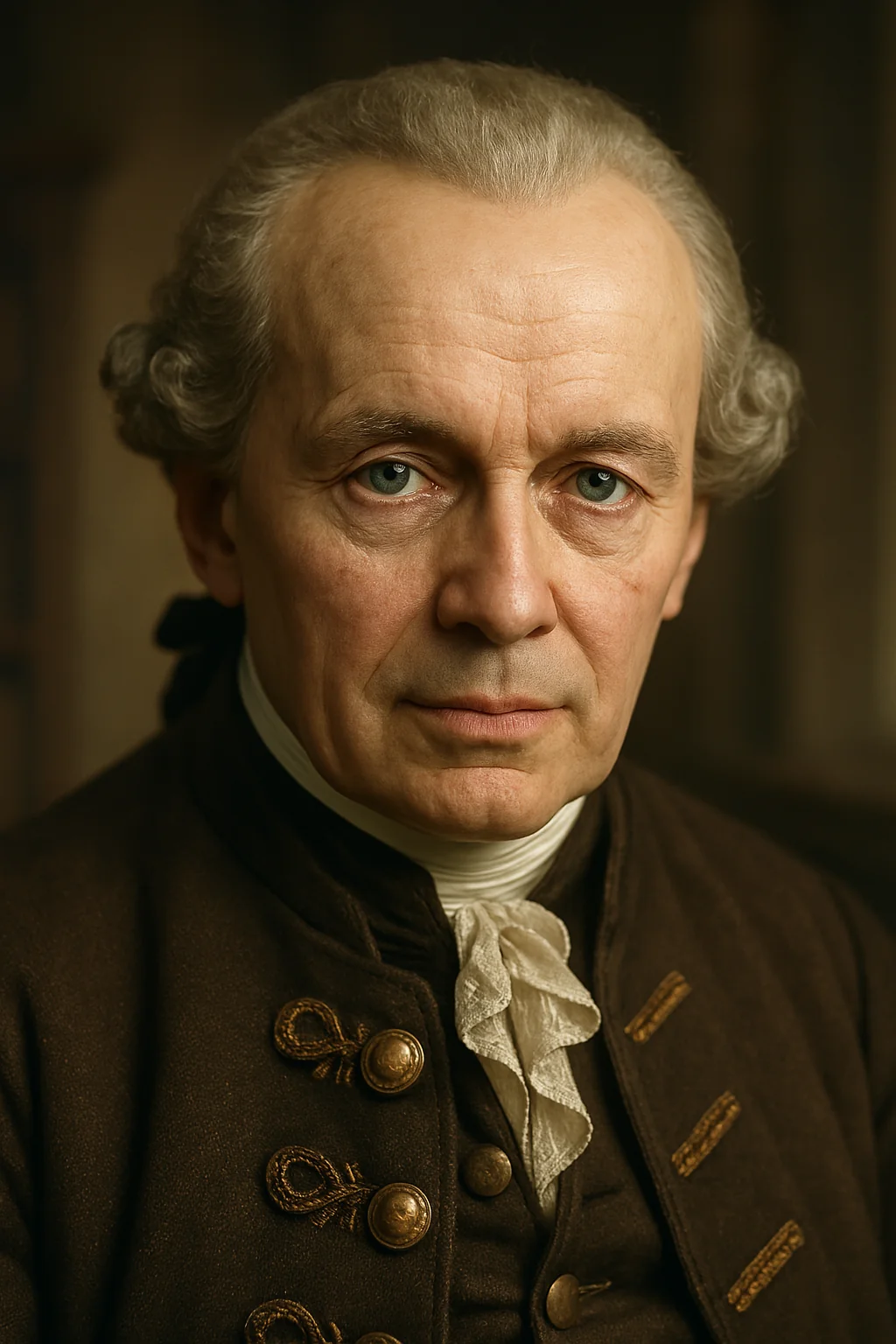
"“The death of dogma is the birth of morality.”"
Similar Quotes
"“When, therefore, we maintain that pleasure is the end, we do not mean the pleasures of profligates and those that consist in sensuality, as is supposed by some who are either ignorant or disagree with us or do not understand, but freedom from pain in the body and from trouble in the mind. For it is not continuous drinkings and revelings, nor the satisfaction of lusts, nor the enjoyment of fish and other luxuries of the wealthy table, which produce a pleasant life, but sober reasoning, searching out the motives for all choice and avoidance, and banishing mere opinions, to which are due the greatest disturbance of the spirit.”"
"“There is a certain right by which we many deprive a man of life, but none by which we may deprive him of death; this is mere cruelty.”"
"The most important human endeavor is the striving for morality in our actions. Our inner balance and even our very existence depend on it. Only morality in our actions can give beauty and dignity to life."
"“Thus, from the war of nature, from famine and death, the most exalted object which we are capable of conceiving, namely, the production of the higher animals, directly follows. There is grandeur in this view of life, with its several powers, having been originally breathed into a few forms or into one; and that, whilst this planet has gone cycling on according to the fixed law of gravity, from so simple a beginning endless forms most beautiful and most wonderful have been, and are being, evolved.”"
"“The Thought of Death. It gives me a melancholy happiness to live in the midst of this confusion of streets, of necessities, of voices: how much enjoyment, impatience and desire, how much thirsty life and drunkenness of life comes to light here every moment! And yet it will soon be so still for all these shouting, lively, life- loving people! How everyone's shadow, his gloomy travelling companion stands behind him! It is always as in the last moment before the departure of an emigrant- ship: people have more than ever to say to one another, the hour presses, the ocean with its lonely silence waits impatiently behind all the noise-so greedy, so certain of its prey! And all, all, suppose that the past has been nothing, or a small matter, that the near future is everything: hence this haste, this crying, this self-deafening and self-overreaching! Everyone wants to be foremost in this future-and yet death and the stillness of death are the only things certain and common to all in this future! How strange that this sole thing that is certain and common to all, exercises almost no influence on men, and that they are the furthest from regarding themselves as the brotherhood of death! It makes me happy to see that men do not want to think at all of the idea of death! I would fain do something to make the idea of life to us to be more than friends in the sense of that sublime possibility. And so we will believe in our even a hundred times more worthy of their attention.”"
"“The following proposition seems to me in a high degree probable—namely, that any animal whatever, endowed with well-marked social instincts, the parental and filial affections being here included, would inevitably acquire a moral sense or conscience, as soon as its intellectual powers had become as well, or nearly as well developed, as in man. For, firstly, the social instincts lead an animal to take pleasure in the society of its fellows, to feel a certain amount of sympathy with them, and to perform various services for them.”"