
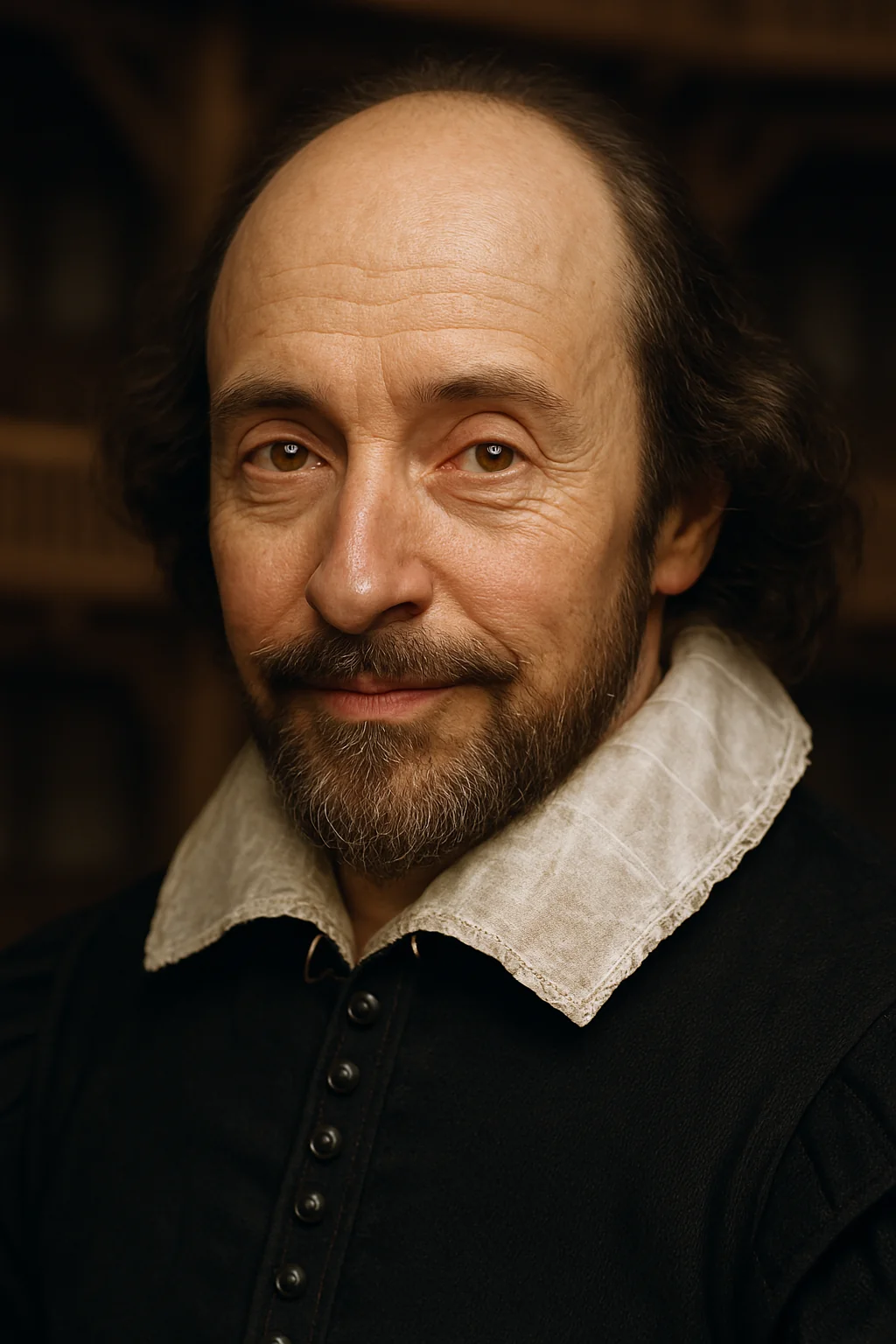
"“For which of my bad parts didst thou first fall in love with me?”"
For Which Of My Bad Parts Didst Thou First Fall In
“For which of my bad parts didst thou first fall in love with me?”
Similar Quotes
"“You have killed my love. You used to stir my imagination. Now you don't even stir my curiosity. You simply produce no effect. I loved you because you were marvelous, because you had genius and intellect, because you realized the dreams of great poets and gave shape and substance to the shadows of art. You have thrown it all away. You are shallow and stupid”"
"“Why have you been staring at me ever since we met? Because I’m not the Gail Wynand you’d heard about. You see, I love you. And love is exception-making. If you were in love you’d want to be broken, trampled, ordered, dominated, because that’s the impossible, in the inconceivable for you in your relations with people. That would be the one gift, the great exception you’d want to offer the man you loved. But it wouldn’t be easy for you.”"
"“Suffer love! A good ephitet! I do suffer love indeed, for I love thee against my will.”"
"“When I saw you, I fell in love, and you smiled because you knew”"
"“If love be rough with you, be rough with love. Prick love for pricking and you beat love down.”"
"“Haven't I? - he thought. Haven't I thought of it since the first time I saw you? Haven't I thought of nothing else for two years? ...He sat motionless, looking at her. He heard the words he had never allowed himself to form, the words he had felt, known, yet had not faced, had hoped to destroy by never letting them be said within his own mind. Now it was as sudden and shocking as if he were saying it to her ...Since the first time I saw you ...Nothing but your body, that mouth of yours, and the way your eyes would look at me, if ...Through every sentence I ever said to you, through every conference you thought so safe, through the importance of all the issues we discussed ...You trusted me, didn't you? To recognize your greatness? To think of you as you deserved - as if you were a man? ...Don't you suppose I know how much I've betrayed? The only bright encounter of my life - the only person I respected - the best business man I know - my ally - my partner in a desperate battle ...The lowest of all desires - as my answer to the highest I've met ...Do you know what I am? I thought of it, because it should have been unthinkable. For that degrading need, which would never touch you, I have never wanted anyone but you ...I hadn't known what it was like, to want it, until I saw you for the first time. I had thought : Not I, I couldn't be broken by it ...Since then ...For two years ...With not a moments respite ...Do you know what it's like, to want it? Would you wish to hear what I thought when I looked at you ...When I lay awake at night ...When I hear your voice over a telephone wire ...When I worked, but could not drive it away? ...To bring you down to things you cant conceive - and to know that it's I who have done it. To reduce you to a body, to teach you an animal's pleasure, to see you need it, to see you asking me for it, to see your wonderful spirit dependent on the upon the obscenity of your need. To watch you as you are, as you face the world with your clean, proud strength - then to see you, in my bed, submitting to any infamous whim I may devise, to any act which I'll preform for the sole purpose of watching your dishonor and to which you'll submit for the sake of an unspeakable sensation ...I want you - and may I be damned for it!”"